

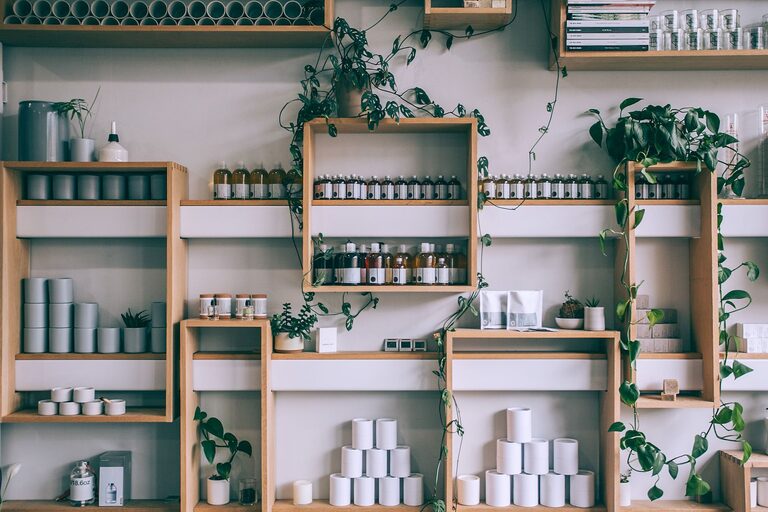
Small spaces can be comfortable, stylish, and functional when every item has a clear place. The key is not simply adding more storage containers. It is choosing solutions that use overlooked areas, serve more than one purpose, and keep frequently used items easy to reach.
Whether you live in a small apartment, share a room, or are trying to make a compact home work better, these storage ideas can help you create more space without making the room feel crowded.
Start With a Simple Decluttering Plan
Before buying shelves, bins, or furniture, decide what you actually need to store. Storage works best when it supports your daily habits instead of hiding items you no longer use.
Sort belongings into three groups:
– Keep and use regularly
– Keep but use occasionally
– Donate, recycle, or discard
Next, notice what tends to create clutter. Are shoes collecting by the door? Are kitchen counters covered with appliances? Are clothes overflowing from drawers? Identifying the problem helps you choose the right solution.
Avoid filling every empty space immediately. Leave some room for movement and future needs. A well-organized room should feel useful, not packed.
Use Vertical Space
When floor space is limited, look up. Walls, doors, and the area above furniture can provide valuable storage without taking up much room.
Install Wall-Mounted Shelves
Wall-mounted shelves can hold books, plants, dishes, baskets, or decorative items. Place them above a desk, sofa, bed, or kitchen counter to use areas that might otherwise remain empty.
For a clean appearance:
– Use matching shelves or brackets
– Group small items in baskets
– Keep heavier items on lower shelves
– Leave some open space between objects
A few carefully arranged shelves often work better than a full wall of storage.
Add a Pegboard or Rail System
A pegboard is useful in kitchens, home offices, craft areas, and entryways. Hooks and small shelves can be rearranged as your needs change. In a kitchen, a rail can hold utensils, measuring cups, or towels. Near the entrance, it can keep keys, bags, and hats within reach.
These systems make everyday items visible, which can reduce time spent searching for them.
Make Use of Doors
The back of a door is often overlooked. Over-the-door organizers can hold shoes, cleaning supplies, accessories, pantry items, or small toiletries.
For closets, consider a slim organizer with separate pockets. For a bathroom, choose a rust-resistant option. In a kitchen, a narrow rack can store wraps, cutting boards, or small packages.
Check that the door still closes easily and that the organizer does not interfere with handles or nearby walls.
Choose Furniture With Built-In Storage
In a small room, each piece of furniture should work hard. Storage furniture can provide a place to sit, sleep, work, and organize at the same time.
Try an Ottoman or Bench
A storage ottoman can hold blankets, books, toys, or extra pillows while serving as a footrest or extra seat. A bench with a lift-up top is useful in an entryway or at the end of a bed.
Choose a piece that is easy to open and large enough for the items you plan to store. If you use it every day, avoid placing heavy objects inside.
Use a Bed With Drawers
The space under a bed is ideal for seasonal clothing, spare linens, luggage, and shoes. Beds with built-in drawers offer easy access and a finished appearance.
If your bed does not have drawers, use low containers with handles or rolling storage boxes. Label each container so you can find items without pulling everything out.
Avoid storing delicate materials in areas that are damp or difficult to clean. A quick check every few months can prevent forgotten items from becoming clutter.
Select a Drop Leaf Table
A drop leaf table can function as a dining table, desk, or food preparation surface. Fold the sides down when you need more walking space.
For very small rooms, a wall-mounted folding table can provide a temporary work surface and disappear when not in use. Add a nearby shelf or cabinet for office supplies so the table remains clear.
Make Small Storage Zones
Instead of trying to organize an entire room at once, create small zones based on activity. This keeps items close to where they are used and prevents them from spreading across the room.
Useful zones may include:
– A landing area for keys, mail, and bags
– A cleaning area for sprays, cloths, and tools
– A cooking area for frequently used utensils
– A work area for chargers, notebooks, and supplies
– A personal care area for toiletries and accessories
Use small trays, boxes, or baskets to define each zone. When everything in a group has one container, tidying becomes faster.
Improve Closet Storage
A small closet can hold more when the interior is divided into levels. Add a second hanging rod for shorter clothing, shelf dividers for folded items, and hooks for accessories.
Use slim hangers to create more hanging room. Store out-of-season clothing in labeled containers on the top shelf or under the bed.
Keep the most frequently worn items at eye level. Less-used belongings can go higher or farther back. This simple arrangement makes the closet easier to maintain.
For open closets, matching bins can create a calmer look. Choose labels that describe the contents clearly, such as “winter accessories” or “extra towels.”
Organize the Kitchen With Care
Counters often become cluttered because cabinets are difficult to access. Make daily tasks easier by storing frequently used items in the most convenient locations.
Helpful kitchen ideas include:
– Use a narrow rolling cart between cabinets
– Add shelf risers inside cupboards
– Store cutting boards vertically in a divider
– Place spices in a drawer or tiered rack
– Use the side of a cabinet for hooks
– Keep appliances you rarely use in a higher cabinet
A rolling cart can provide extra pantry, beverage, or preparation space and can be moved when needed. Just make sure it does not block a doorway or walkway.
Use clear containers only when they help you see what you have. Otherwise, opaque bins with labels can create a cleaner appearance.
Keep the Entryway Under Control
A small entryway can become crowded quickly. Give each person a hook, basket, or shelf for daily items.
A narrow console table with a lower shelf can hold mail and shoes without taking up much floor space. If there is no room for a table, mount a shelf with hooks underneath.
Keep only current-season items near the entrance. Store extra coats, shoes, and bags elsewhere so the area stays easy to move through.
Choose Storage That Is Easy to Maintain
The best storage solution is one you will continue using. Avoid containers that are difficult to open, shelves that are too high, or systems that require several steps to put items away.
Use open baskets for everyday items and lidded containers for belongings that need protection. Label storage when the contents are not obvious. Leave a little extra space in each container so items can be returned without careful rearranging.
Every few months, review the room and adjust the system. Your storage needs may change with the season, work schedule, or household routine.
Create Space Without Overfilling
Small-space storage should make a room easier to live in, not simply provide more places to put things. Focus on vertical storage, multifunctional furniture, divided zones, and simple routines.
Start with one problem area, such as the entryway or closet. Choose one practical improvement, use it for a few weeks, and then build from there. With the right combination of storage and habits, even a compact room can feel open, organized, and comfortable.