

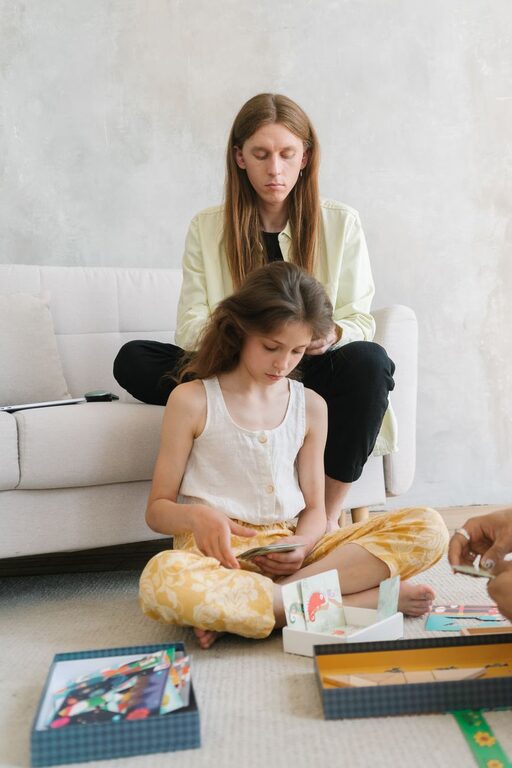
Family game night is a simple way to spend meaningful time together without planning an expensive outing. With a few games, easy snacks, and a relaxed attitude, you can create an evening everyone looks forward to.
The best game nights are not about winning. They are about laughing, talking, learning how family members think, and making memories together. Whether your family enjoys board games, cards, puzzles, or creative challenges, there are plenty of ways to make the evening special.
Start With a Simple Game Night Plan
You do not need a complicated schedule. Choose a day, invite everyone to participate, and set aside enough time for two or three activities. A game night can last an hour, or it can continue throughout the evening with breaks for food and conversation.
To get started:
– Pick a regular night, such as Friday or Saturday.
– Let each family member suggest a game.
– Choose games that match the ages and interests of the group.
– Prepare snacks and drinks before play begins.
– Keep extra games nearby in case the first choice is not a good fit.
It can also help to create a small game night basket. Fill it with cards, dice, pencils, score sheets, and a timer. Keeping supplies together makes it easier to begin without searching through drawers and closets.
Try Classic Board Games
Classic board games are a reliable choice because many family members already know how to play them. They also offer different levels of strategy, luck, and teamwork.
Choose games that are easy to explain and do not take too long to finish. Younger children may enjoy matching games, picture-based games, or simple counting games. Older children and adults may prefer word games, strategy games, or games that involve building and planning.
For a smoother experience, read the instructions before game night. If a game has a long rulebook, explain only the most important rules at first. You can check details during play instead of making everyone wait through a lengthy explanation.
If your family has a favorite game, create a friendly tournament. Keep track of points across several rounds, but offer small awards for more than just first place. Categories such as “best team player,” “most creative move,” or “best sportsmanship” can make the event enjoyable for everyone.
Add Card Games for Quick Rounds
Card games are flexible, affordable, and easy to bring to the table. They are especially useful when family members have different attention spans or when you want to play several short games.
Consider trying:
– A matching game for younger players
– A simple number game
– A guessing game
– A classic trick-taking game
– A game where players create sets or sequences
– A family-friendly version of a popular party card game
For younger children, use a smaller deck or create your own cards with paper. You can draw colors, animals, shapes, or numbers and invent rules together. Making the cards can become an activity before the game even begins.
Plan a Team Game Night
Team games can reduce the pressure of competition and encourage family members to work together. Divide players into pairs or small groups, mixing ages when possible. This gives everyone a chance to contribute in a different way.
Try a cooperative puzzle, a timed building challenge, or a treasure hunt around the house. You can also create a family quiz with questions about favorite foods, hobbies, pets, movies, or memorable vacations.
A team challenge might include:
- Building the tallest structure with blocks or paper cups
- Solving a puzzle before the timer runs out
- Identifying objects by touch
- Completing a drawing based on spoken instructions
- Finding household items that match a list of clues
The goal is to encourage communication rather than create a perfect result. Celebrate clever ideas, teamwork, and funny mistakes.
Make a DIY Game Together
Creating a homemade game gives everyone a chance to use their imagination. It also works well when you want something new but do not want to buy another game.
Use paper, markers, coins, buttons, or small toys to create a board game. Decide on a theme, such as a trip through space, an animal adventure, or a journey through an imaginary city. Draw spaces on the board and add instructions such as “move ahead two spaces,” “answer a question,” or “take another turn.”
You can also make a family trivia game. Each person writes several questions, folds the papers, and places them in a bowl. Take turns drawing questions and awarding points for correct answers. Include a mix of easy, funny, and surprising questions so everyone has a chance to participate.
Another easy option is a storytelling game. One person starts with a sentence, and each player adds another sentence. Use picture cards or random household objects to inspire the story. The result may be silly, mysterious, or completely unexpected.
Include Games That Do Not Require a Table
If sitting around a table does not appeal to everyone, add active games to the evening. These are a good choice for families who enjoy movement or need a break between board games.
Play charades, a scavenger hunt, or a “follow the leader” challenge. You can also organize an indoor obstacle course using pillows, chairs, and tape. Keep the course simple and safe, with enough space for everyone to move comfortably.
For a quieter option, try a drawing relay. One person begins a picture, and each family member adds to it for a set amount of time. At the end, display the finished artwork and give it a funny title.
Create a Fun Theme
A theme can make an ordinary game night feel like a special event. The theme does not need to be complicated. A few decorations, matching snacks, or a change in lighting may be enough.
Some simple themes include:
– Pajama game night
– Around-the-world night
– Mystery night
– Color-themed night
– Game show night
– Camping indoors
– Favorite movie or book night
For a game show theme, use a bell, a homemade scoreboard, and a host’s chair. For camping indoors, build a blanket fort and serve snacks in picnic containers. Let children help choose the theme and make decorations from paper.
Serve Easy Game Night Snacks
Choose foods that are simple to eat and unlikely to create a mess near the games. Small portions work well because players can snack between turns without leaving the table for long.
Good choices include:
– Popcorn
– Fruit slices
– Pretzels
– Crackers and cheese
– Vegetable sticks
– Mini sandwiches
– Cookies
– Homemade trail mix
Set up a snack station away from the game board if possible. Use cups with names or reusable bottles to prevent mix-ups. If young children are playing, keep the game area clear of spills and small pieces.
Keep the Evening Positive
Family game night should feel welcoming, not stressful. If a game causes frustration, take a break or switch to something else. It is perfectly fine to change the rules slightly for younger players or to shorten a game that is taking too long.
Encourage good sportsmanship by thanking players for participating and recognizing helpful behavior. Avoid focusing only on the winner. A quick conversation after each game can be fun: What was the funniest moment? Which move surprised you? What should the family try next time?
Most importantly, make room for everyone. Some family members may enjoy leading the game, while others may prefer drawing, keeping score, or choosing snacks. Giving each person a role helps the evening feel like a shared event.
Make It a Family Tradition
Once you find a format that works, repeat it regularly. Take turns choosing the games, keep a list of favorites, or create a family game night calendar. You might even take a photo after each evening or save homemade games in a special box.
The simplest game nights are often the most memorable. A few familiar games, comfortable surroundings, and time spent together can turn an ordinary evening into a tradition your family enjoys for years.