

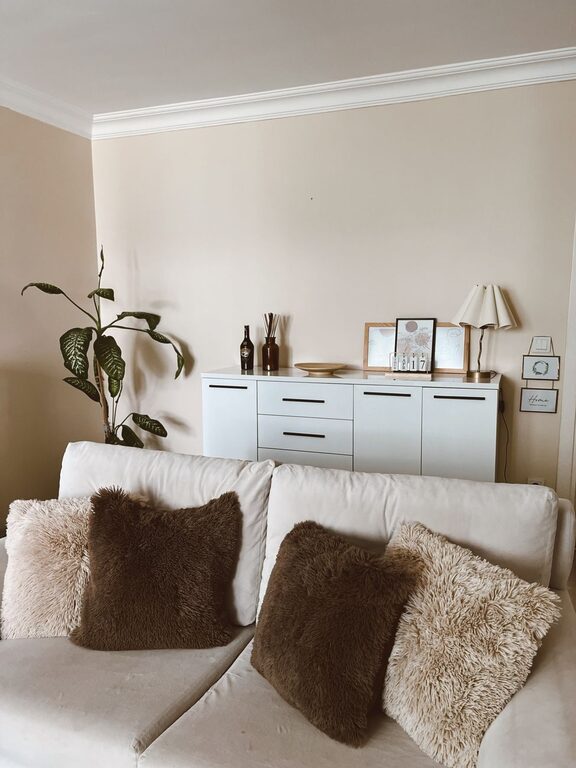
A living room refresh does not require a complete renovation or a large decorating budget. Small, thoughtful changes can make the space feel brighter, more comfortable, and better suited to your everyday life. By working with what you already own and adding a few affordable details, you can create a noticeable transformation without replacing everything.
Here are practical ideas for refreshing your living room on a budget.
Start With a Simple Reset
Before buying anything, take a fresh look at the room. Remove items that no longer serve a purpose, gather misplaced objects, and clear crowded surfaces. A cleaner space often feels refreshed before any new decor is added.
Try these easy first steps:
– Remove broken, unused, or unwanted items.
– Put away seasonal decorations that no longer fit the room.
– Group similar objects together.
– Clear coffee tables, shelves, and side tables.
– Clean windows, lamps, baseboards, and upholstery.
Once the room is tidy, you may notice that you need fewer new items than expected.
Rearrange the Furniture
One of the most affordable ways to change a living room is to move the furniture. A new layout can improve the flow of the room and make it feel more spacious.
Start by considering how you use the space. Arrange seating so conversations feel natural, and avoid blocking windows, doorways, or walkways. If your sofa is pushed tightly against a wall, try pulling it forward slightly to create a more inviting arrangement.
You can also experiment with:
– Moving chairs to a different angle.
– Placing a small table between two seats.
– Centering the sofa on a focal point, such as a fireplace or television.
– Creating a reading corner near a window.
– Turning a large rug in a different direction.
Take photos of possible arrangements before moving everything repeatedly. This makes it easier to compare layouts and decide which one feels best.
Refresh With Textiles
Textiles can change the color and mood of a room without the cost of new furniture. Replace or rearrange throw pillows, blankets, curtains, and rugs to introduce a fresh look.
For a coordinated style, choose two or three colors that already appear in the room. For example, if your sofa is neutral, add pillows in soft blue, warm brown, or muted green. Mixing patterns can work well, but balance bold designs with solid colors.
Affordable textile updates include:
– Adding a textured throw to the back of a sofa.
– Replacing heavy curtains with lightweight panels.
– Layering a small rug over a larger neutral rug.
– Using pillow covers instead of buying new pillows.
– Draping a colorful blanket over an accent chair.
Pillow covers are especially useful because they take up little storage space and can be changed throughout the year.
Create an Accent Wall
Paint can make a major difference, and you do not need to paint the entire room. An accent wall behind the sofa or television can add depth and personality while keeping material costs low.
Choose a shade that supports the existing furniture. Soft green, warm beige, muted blue, and gentle terracotta are versatile options. If the room receives limited natural light, avoid very dark colors unless you want a dramatic effect.
Before painting, test a small sample on the wall and view it at different times of day. Lighting can make a color appear warmer, cooler, lighter, or darker than expected.
If paint is not an option, consider temporary wallpaper, removable decals, or a large fabric wall hanging.
Update the Lighting
Good lighting can make your living room feel more comfortable and polished. Instead of replacing every fixture, focus on adding layers of light.
Use a combination of:
– Overhead lighting for general brightness.
– Floor or table lamps for focused light.
– Small accent lights for shelves or corners.
– Candles or battery-powered lights for a soft evening glow.
Changing lampshades can also give an old lamp a new appearance. Look for affordable shades in a shape that complements your furniture. Warm white bulbs are often a comfortable choice for living areas, while brighter bulbs can work well for reading corners.
If a dark corner feels unfinished, add a lamp, plant, basket, or small chair to make it feel intentional.
Shop Your Home
Before visiting a store, look at other rooms in your home. You may already have useful items that can give the living room a new look.
Consider moving:
– Artwork from a bedroom or hallway.
– A plant from the kitchen.
– A stool that can serve as a side table.
– Baskets for blanket storage.
– Decorative objects from a shelf or entryway.
Rotating decor helps your home feel new without requiring new purchases. It also allows you to test different styles before spending money.
Make a Gallery Wall
A gallery wall can add character to an empty wall using artwork and photographs you already own. The collection does not need to match perfectly. Similar frame colors, spacing, or themes can help the display look organized.
For a low-cost gallery wall, use:
– Family photographs.
– Children’s artwork.
– Postcards or travel prints.
– Pages from old calendars.
– Simple botanical illustrations.
– Fabric samples or small woven pieces.
Arrange the pieces on the floor first. Start with the largest item, then position smaller pieces around it. Keep the spacing consistent for a neat appearance.
If you are renting, use removable hanging strips where appropriate and follow the product instructions carefully.
Add Affordable Greenery
Plants bring color and texture to a living room. If you already have plants, divide or relocate them to create a fuller arrangement. You can also use cut branches, dried grasses, or a small bouquet for a temporary update.
For budget-friendly options, look for:
– Small houseplants.
– Low-maintenance varieties.
– Plants grown from cuttings.
– Secondhand planters.
– Simple ceramic or woven containers.
Use different heights to make the arrangement more interesting. Place a tall plant beside a sofa, a smaller one on a shelf, and a trailing plant on a bookcase.
Style Shelves With Intention
Open shelving can quickly look cluttered. Instead of filling every space, create small groups of objects with varied heights and shapes.
A simple shelf arrangement might include:
– A stack of books.
– A small framed print.
– A bowl or vase.
– One decorative object.
– A plant or natural element.
Leave some empty space between groups. This gives the eye a place to rest and makes favorite items stand out. Rearranging shelves every few months can make the room feel updated without adding anything new.
Give Old Furniture a New Purpose
Before replacing a worn piece, consider whether it can be improved. A wooden side table may look refreshed after light sanding and a new coat of paint or stain. An old dresser can become a media console, while a small bench can provide extra seating.
Other simple updates include:
– Replacing cabinet knobs.
– Adding peel-and-stick trim.
– Covering a tabletop with removable fabric or glass.
– Tightening loose hardware.
– Cleaning and conditioning wooden surfaces.
Choose projects that match your time, tools, and comfort level. Even a small hardware change can make a familiar piece feel different.
Use Mirrors to Add Light
A mirror can make a living room appear brighter and more open. Place one across from a window to reflect natural light, or position it above a console table or fireplace.
You do not need a large designer mirror. Check thrift stores, resale shops, and local marketplaces for affordable options. A simple frame can also be painted to match the room.
Make sure the mirror reflects something pleasant, such as a window, artwork, or greenery, rather than a cluttered corner.
Set a Decorating Limit
A budget works best when it is specific. Decide how much you want to spend and divide that amount among your priorities. For example, you might use most of the budget for paint and textiles, then reserve a smaller amount for plants or lighting.
Before buying, ask:
– Does this item solve a problem?
– Can I use something I already own?
– Will it work with my current furniture?
– Can it serve more than one purpose?
– Will I still like it after the room feels less new?
A little planning helps prevent impulse purchases and keeps the refresh focused.
Finish With Small Details
The final layer often makes the biggest difference. Add a tray to organize coffee table items, place a bowl near the entry for small objects, or use a basket to store blankets and magazines.
Choose a few meaningful details rather than filling every surface. A comfortable, organized living room should reflect how you live, not look like a showroom.
Refreshing your living room on a budget is mainly about making intentional changes. Rearrange what you have, improve the lighting, add comfortable textiles, and bring in a few personal accents. With a clear plan and a little creativity, even modest updates can make the entire room feel welcoming again.